Mission
Integrate computational and humanistic methods to study complex social phenomena and share results openly.
We generate frontier knowledge to understand how societies evolve over time through network science, graph theory, and computational modelling of large historical corpora.
Integrate computational and humanistic methods to study complex social phenomena and share results openly.
Become a Latin American benchmark in network science and computational methods for the study of societies, including the social sciences and the humanities.
Explore projects where LEDS methods and technologies are applied to real research questions, from complex data to new findings and tangible outcomes.
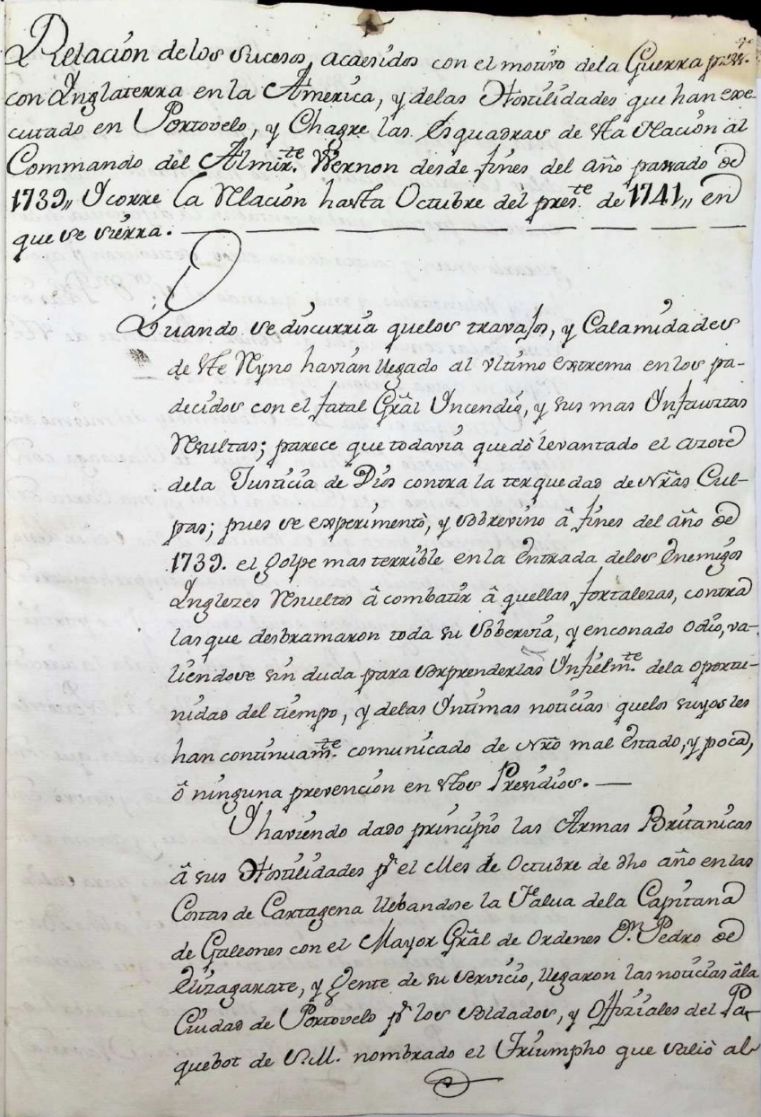
Alcaldía Mayor de San Luis Potosí
The project moves beyond digitization, cataloging, and transcription to build a scientific and computational infrastructure for studying colonial-era society in San Luis Potosí. It enables researchers to study thousands of sources at once, reconstruct PER–LOC–ORG networks, and identify historical structures that are difficult to see through exclusively manual procedures.
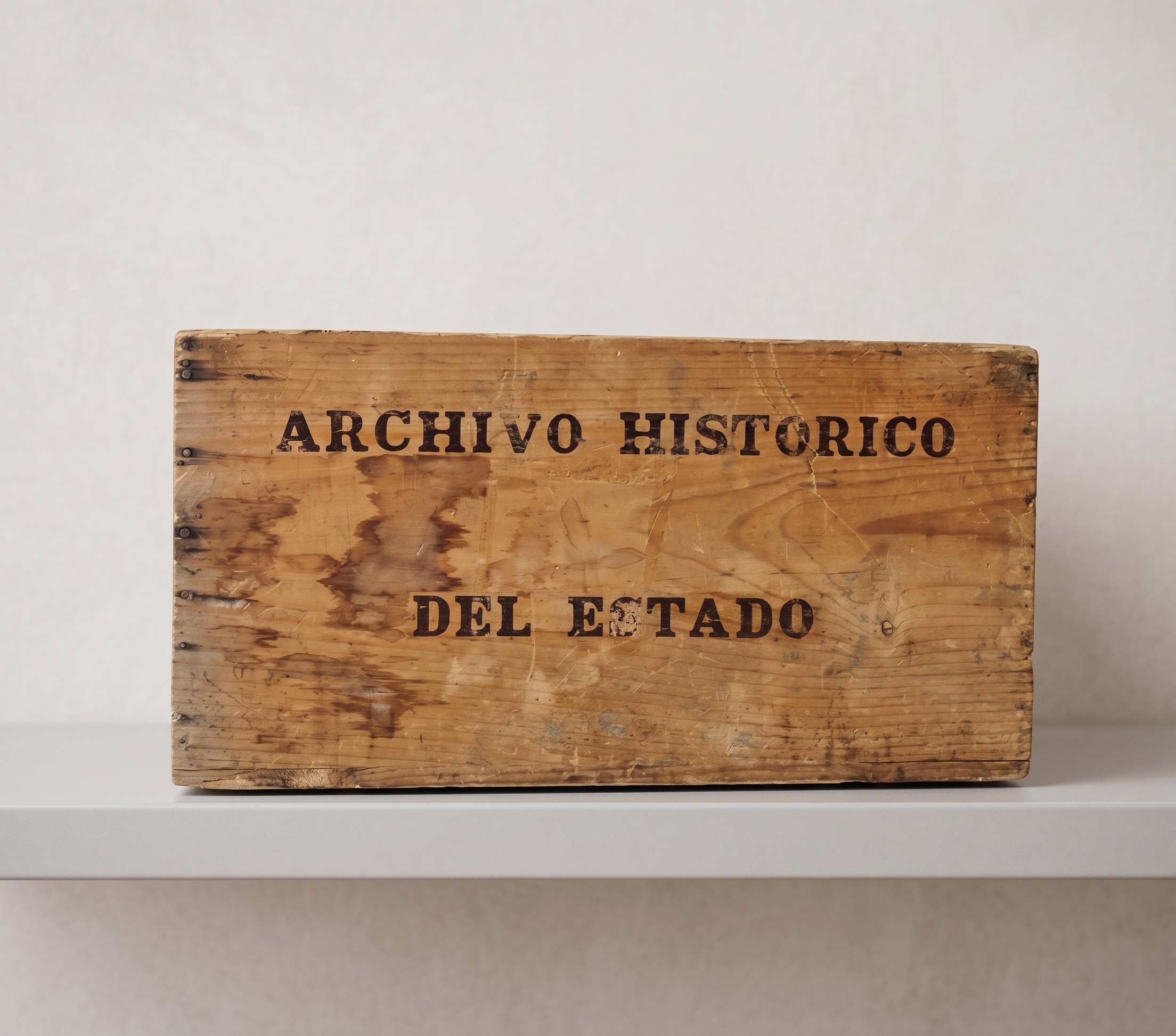
Preservación digital
The project brings together physical conservation and computational analysis to study historical newspaper collections and documentary heritage. Historical materials are stabilized, documented, and digitized before reproducible computational pipelines extract entities, normalize information, and connect actors, events, sources, and territories. These structured data are then modeled as relational and knowledge networks to reveal historical patterns, communities, and emerging narratives that are difficult to identify through individual document analysis.
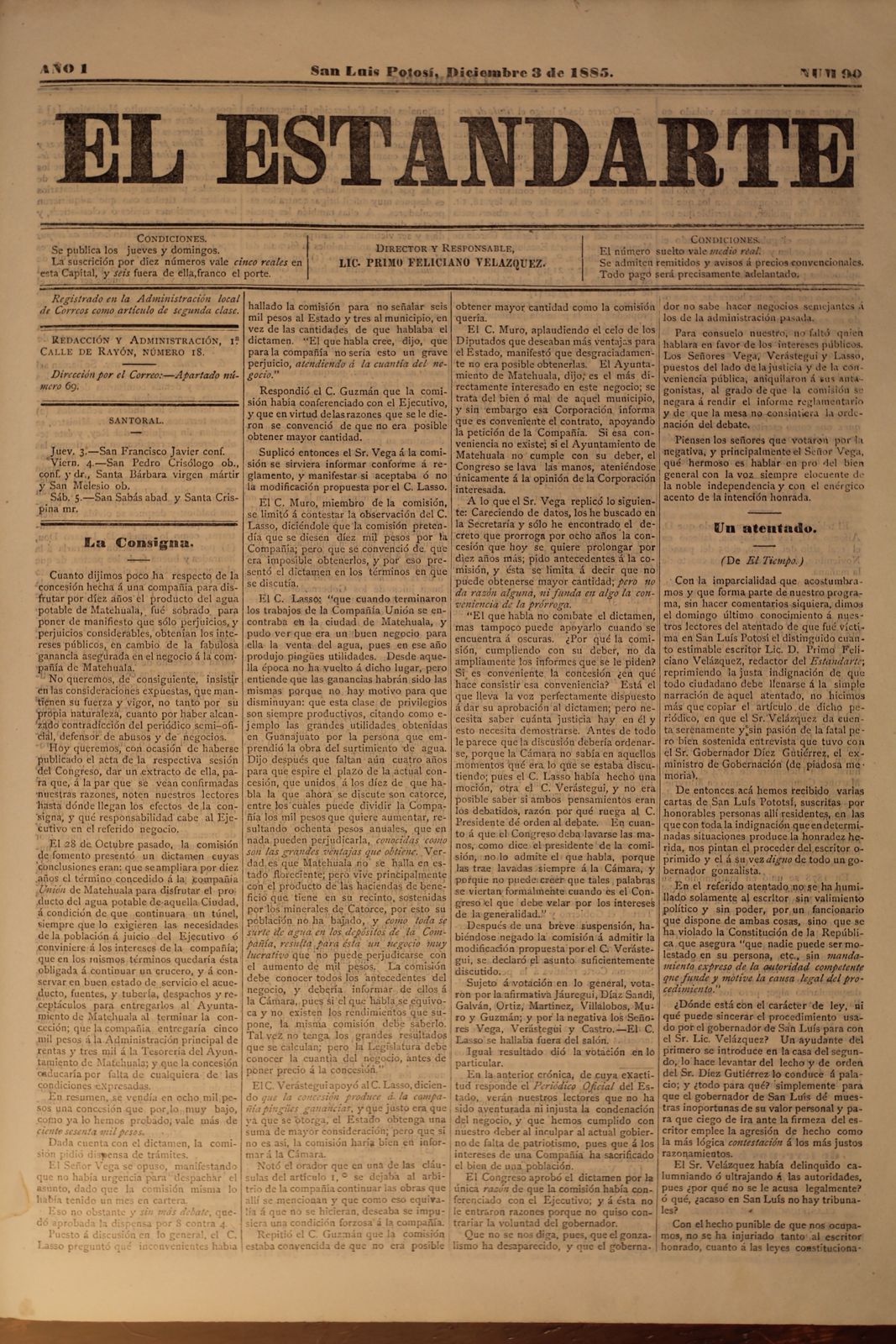
Hemeroteca Digital Potosina
The project develops a systematic workflow for preserving, digitizing, and facilitating the assisted reading of historical newspapers, using Estandarte as the starting collection. Controlled photographic capture and image preprocessing produce standardized digital pages prepared for GLIMPSE-assisted analysis, enabling the extraction of entities, editorial patterns, and temporal relationships. The resulting workflow is designed to be reusable across similar collections while also supporting conservation diagnosis and recommendations for preserving the original documents and their reproductions.