Preservación digital

From documentary heritage to relational knowledge

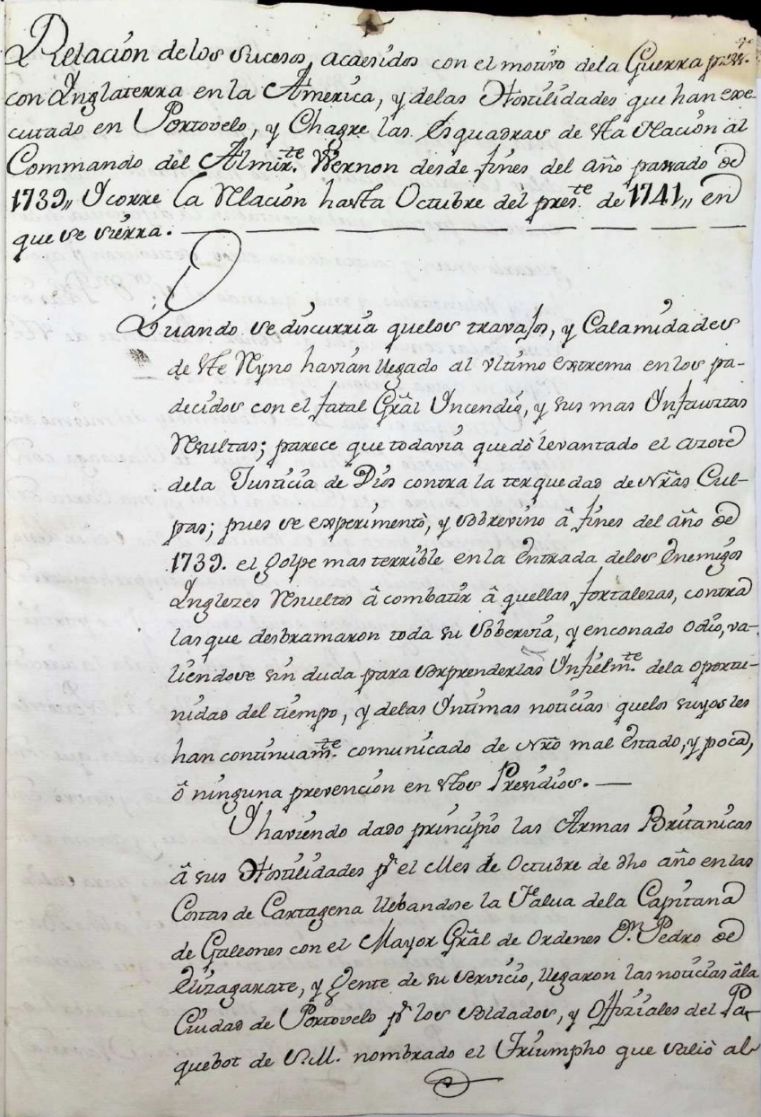
The project brings together physical conservation and computational analysis to study historical newspaper collections and documentary heritage. Historical materials are stabilized, documented, and digitized before reproducible computational pipelines extract entities, normalize information, and connect actors, events, sources, and territories. These structured data are then modeled as relational and knowledge networks to reveal historical patterns, communities, and emerging narratives that are difficult to identify through individual document analysis.

Preservación digital

Preservation workflow

We stabilize, document, and secure every artifact before digitization to protect provenance and material evidence.

  • Surface cleaning, repair, and stabilization of paper substrates.
  • Directed digitization with controlled lighting and color targets.
  • Condition and provenance logs that inform future treatments.

Computational modeling

Reproducible pipelines extract entities, normalize datasets, and assemble dynamic knowledge graphs.

  • Automated entity extraction plus temporal alignment.
  • Concurrence graphs using Barabasi-Albert growth and centrality metrics.
  • Dashboards that intersect collections, actors, and territories.

Integrated methodology

Conservation labs and computational cells operate in sync so materials and data flow seamlessly.

01·LEDS

Material diagnostics

Assess risks, prioritize pieces, and define capture strategies with detailed technical sheets.

02·LEDS

Document normalization

Tag entities, events, and sources; harmonize formats; and map cross-collection correspondences.

03·LEDS

Relational analysis

Build concurrence/co-occurrence graphs to reveal historical patterns and emerging narratives.

Models & algorithms

Statistical and graph-based approaches expose latent dynamics hiding inside historical corpora.

Barabasi-Albert

Simulates preferential attachment to compare real networks with theoretical baselines.

Community detection

Leiden/Louvain clustering segments sub-networks by period, actors, or territory.

Semantic embeddings

Multilingual models cluster narratives and concepts for discovery tools and recommendations.

Colaboracion

Bring your collection into the pipeline

We are onboarding municipal archives, family collections, and press fonds to expand the laboratory.

Email the lab